
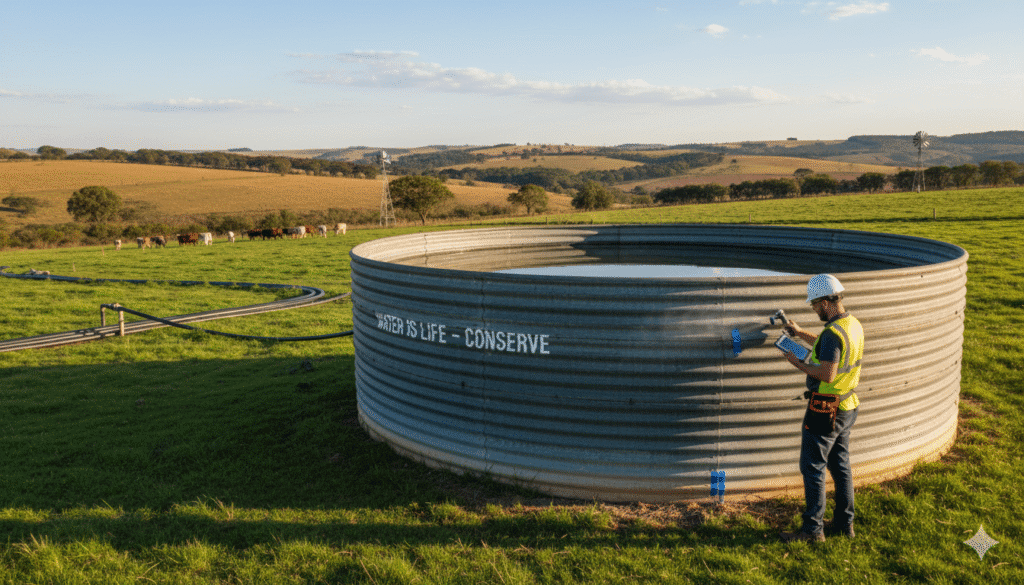
Proven Leak Repair Solutions for Corrugated Steel Reservoirs to Boost Farm Water Security in South Africa
For South African farmers and landowners, maintaining reliable water storage is crucial for livestock, game, irrigation, and household use. Corrugated steel reservoirs are a popular choice due to their durability and ease of installation. However, leaks in these reservoirs can cause significant water loss, increased municipal water costs, and threaten farm water security—especially during droughts or load-shedding periods.
This article shares proven leak repair solutions for corrugated steel reservoirs, helping you protect your farm dam water supply efficiently. We’ll cover how to detect leaks early, practical repair methods, and the benefits of advanced lining options such as bitumen torch-on linings and HDPE dam linings. By following these expert tips, you can reduce costly water wastage and improve your farm’s water management system.
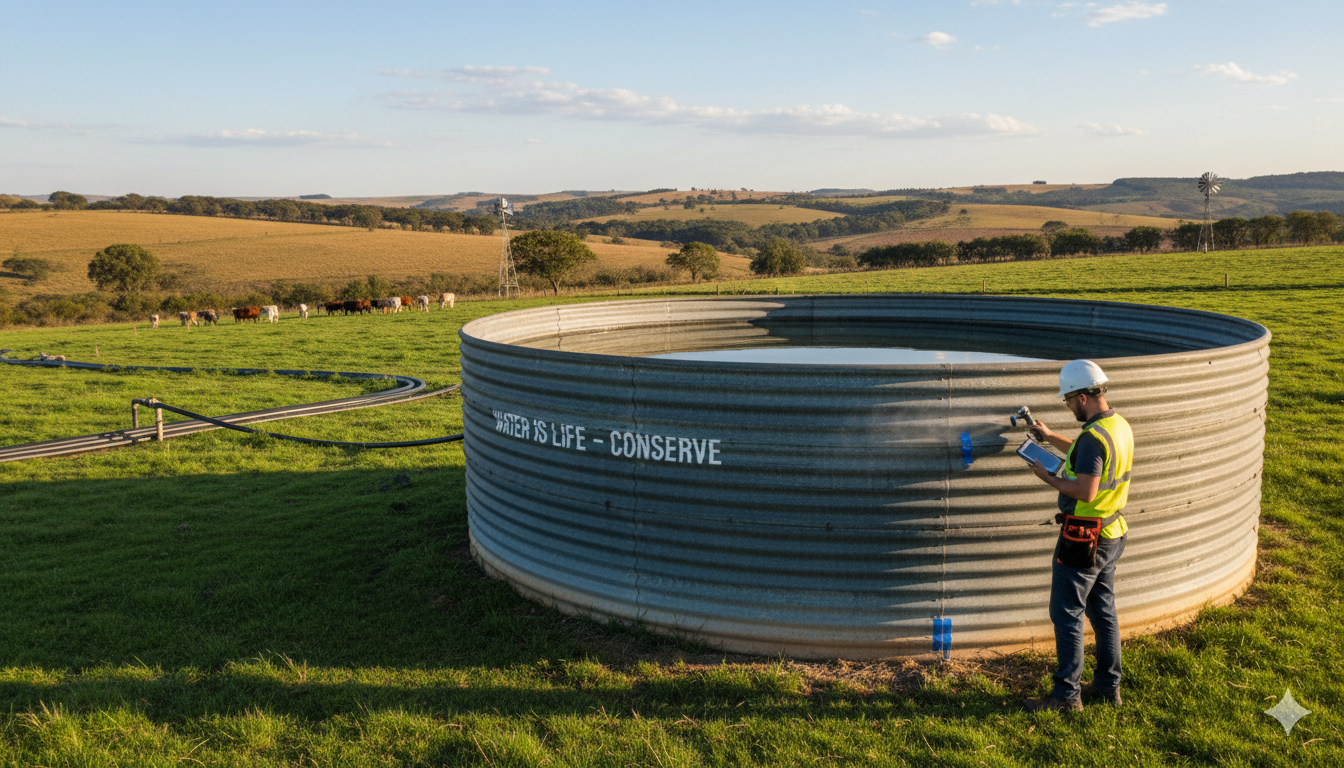
Why Leak Repair in Corrugated Steel Reservoirs Is Critical for South African Farmers
Water scarcity is a growing challenge in many parts of South Africa. Farm dams and reservoirs are vital for capturing borehole water, rainwater, and irrigation supplies.
- Water Loss Costs: Leaks cause direct water loss, forcing farmers to pump more borehole water or buy costly municipal water to maintain livestock and irrigation needs.
- Impact on Livestock and Crops: Unreliable water storage affects stock water consumption and crop irrigation schedules, reducing productivity.
- Environmental Concerns: Leaking reservoirs can lead to soil erosion and contamination of surrounding land.
- Drought and Load-Shedding Sensitivity: With frequent droughts and power outages, maximising water storage efficiency is essential.
Proper leak repair and reservoir maintenance improve farm water security and help meet the demands of modern farm water management strategies.
How to Identify Early Signs of Leaks in Corrugated Steel Reservoirs
Detecting leaks early saves time, money, and prevents larger damage. Here are common signs to watch for:
- Unexplained Drop in Water Levels: Monitor your reservoir water levels daily. Significant drops without increased water use can indicate leaks.
- Wet or Soft Ground Around the Reservoir: Moist or muddy soil patches near the reservoir wall or base often signal seepage.
- Rust and Corrosion on Steel Panels: Surface rust or pitting may weaken the steel and cause holes.
- Visible Cracks or Holes: Check the interior lining and steel sheets for visible damage.
- Reduced Water Pressure: In irrigation systems, a drop in pressure can be linked to reservoir leaks.
Regular inspections, especially after heavy rains or seasonal changes, are vital for early leak detection.
Step-by-Step Leak Repair Methods for Corrugated Steel Reservoirs
Depending on the size and location of the leak, repair methods vary. Here’s a practical approach:
1. Drain and Clean the Reservoir
Before repairs, drain the reservoir completely to inspect the damage and prepare the surface. Remove debris, mud, and algae from the affected area using brushes and pressure washers.
2. Identify and Mark Leak Locations
Use a flashlight to inspect the inside surface of the steel panels. Mark holes, cracks, or corroded spots with waterproof markers.
3. Surface Preparation
Remove rust and loose paint with wire brushes or grinding tools. A clean, smooth surface ensures better adhesion of repair materials.
4. Patch Small Holes and Cracks
For minor leaks:
- Use a corrosion-resistant epoxy putty or metal patch kits designed for steel reservoirs.
- Apply the epoxy evenly and allow curing as per manufacturer instructions.
- Seal the edges with a waterproof sealant.
5. Apply Bitumen Torch-On Linings for Larger Repairs
Bitumen torch-on linings provide an effective waterproof barrier and reinforce the steel reservoir’s integrity.
- Cut the bitumen membrane to size.
- Heat the membrane with a gas torch and carefully adhere it to the cleaned steel surface.
- Overlap seams to ensure complete coverage and prevent seepage.
- Bitumen linings also protect against UV damage and corrosion.
6. Consider HDPE Linings for Long-Term Durability
High-Density Polyethylene (HDPE) dam linings are increasingly popular for their flexibility, chemical resistance, and longevity.
- HDPE linings can be installed over steel reservoirs to provide a robust, leak-proof barrier.
- They are resistant to punctures, UV rays, and extreme temperatures.
- HDPE linings reduce the need for frequent maintenance and help secure irrigation water supply.
7. Final Inspection and Refill
Once repairs and linings are completed, inspect the reservoir carefully. Refill slowly and monitor water levels over the next few days to confirm the leak is fixed.
Benefits of Bitumen Torch-On Linings and HDPE Linings for Farm Water Storage Leaks
Choosing the right lining solution can extend the life of your corrugated steel reservoir and improve farm water management significantly.
| Lining Type | Key Benefits | Ideal Use Case |
|---|---|---|
| Bitumen Torch-On Linings |
|
Medium-sized leaks and corrosion protection on existing steel reservoirs |
| HDPE Dam Linings |
|
Complete reservoir lining or new installations for high water security |
Best Practices for Farm Dam Water Management After Leak Repairs
Repairing leaks is only part of maintaining farm water security. Consider these practical steps:
- Regular Reservoir Inspections: Schedule quarterly inspections for early leak detection.
- Monitor Water Usage: Track livestock water consumption and irrigation schedules to identify anomalies.
- Manage Vegetation: Keep reservoir surroundings clear of deep-rooted plants that can damage linings.
- Rainwater Harvesting: Use catchment areas efficiently to supplement borehole water and reduce dependence on municipal water.
- Backup Storage: Consider multiple reservoirs or tanks to ensure continuous supply during drought or load-shedding.
For more on sustainable water management, visit the South African Department of Water and Sanitation.
When to Choose Damtech-Style Corrugated Steel Reservoirs and Lining Solutions
Corrugated steel reservoirs combined with professional lining solutions from Damtech offer a reliable water storage option for many South African farms. These systems are particularly suitable when:
- You need a durable and cost-effective alternative to concrete or plastic tanks.
- Your farm dam requires retrofitting with linings to prevent water loss.
- Water security during drought and load-shedding is a priority.
- You want scalable storage that can be customised to your farm water management plans.
Damtech’s expertise in providing and installing bitumen torch-on linings and HDPE dam linings ensures your reservoir remains leak-free and efficient for years.
Learn more about our dam lining solutions and corrugated steel reservoirs on our website.
Conclusion
Leak repair in corrugated steel reservoirs is essential for maintaining farm water security in South Africa. Early leak detection, combined with effective repair methods such as bitumen torch-on linings and HDPE linings, can drastically reduce water wastage and improve irrigation and livestock water reliability.
By adopting these proven solutions and following best farm water management practices, you safeguard your water resources against the challenges posed by drought, load-shedding, and rising municipal water costs.
If you’d like help sizing a reservoir or choosing a lining, contact Damtech through the quote form on our website.